
Electrical
Infrastructure
Etech Energy Infra offers a comprehensive range of electrical services, including planning, design, execution, and maintenance for infrastructure development projects. These services also encompass supervision, organizational support, and engineering maintenance of equipment installations, in coordination with the supplier, manufacturer, or authorized partner during the installation process
- HT/LT Line
- EHV transmission line
- Sub Station
- Transformer, VCB, CT / P
- HT / LT Line
- Sub Station
- Industrial Machinery
- Power Factor Improvemen
- Emergency Breakdown Services
- Technical Modification
- AIS/GIS Substation & Transmission line up to 220KV Class.
- Ground Mounted Solar Power Plant & Rooftop
- Solar & Wind & Hybrid Project.
- Under Ground Cable Utility.
- Railway Traction of Substation & Line.
- AIS/GIS Substation & Transmission line up to 220KV Class.
- Wind Turbine Power Project.
- Ground Mounted Solar Project
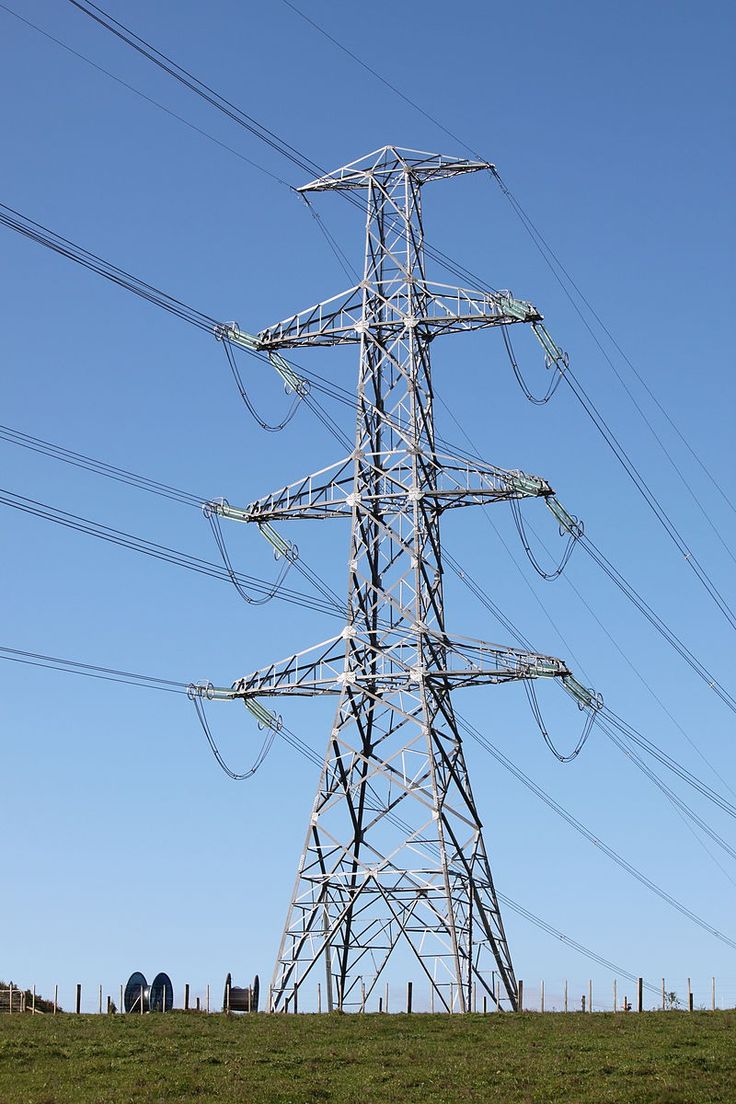
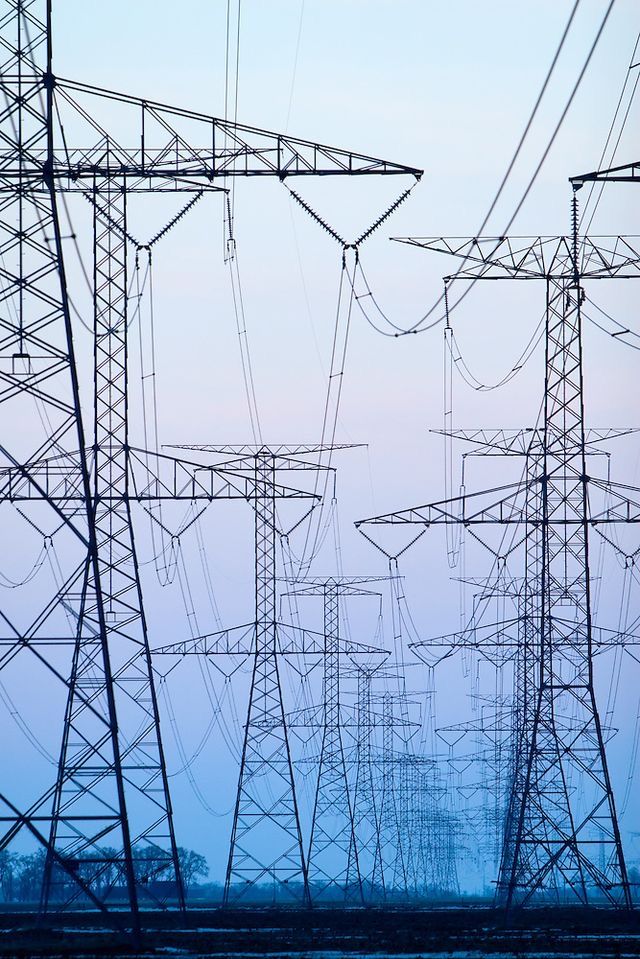
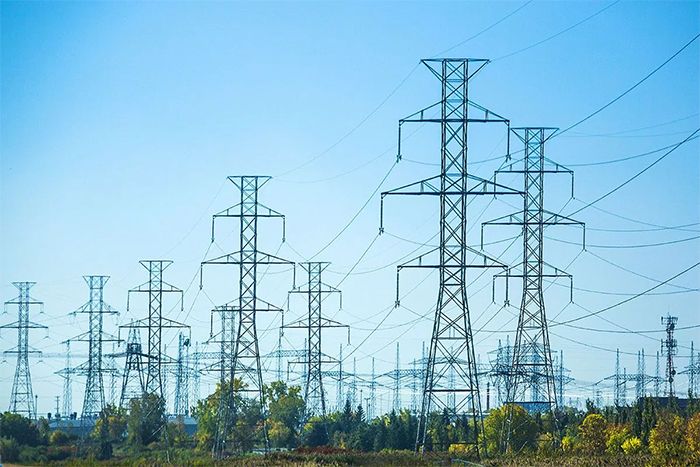
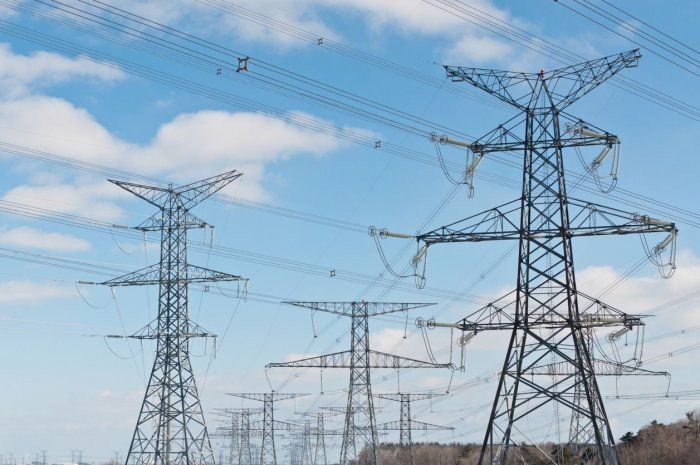
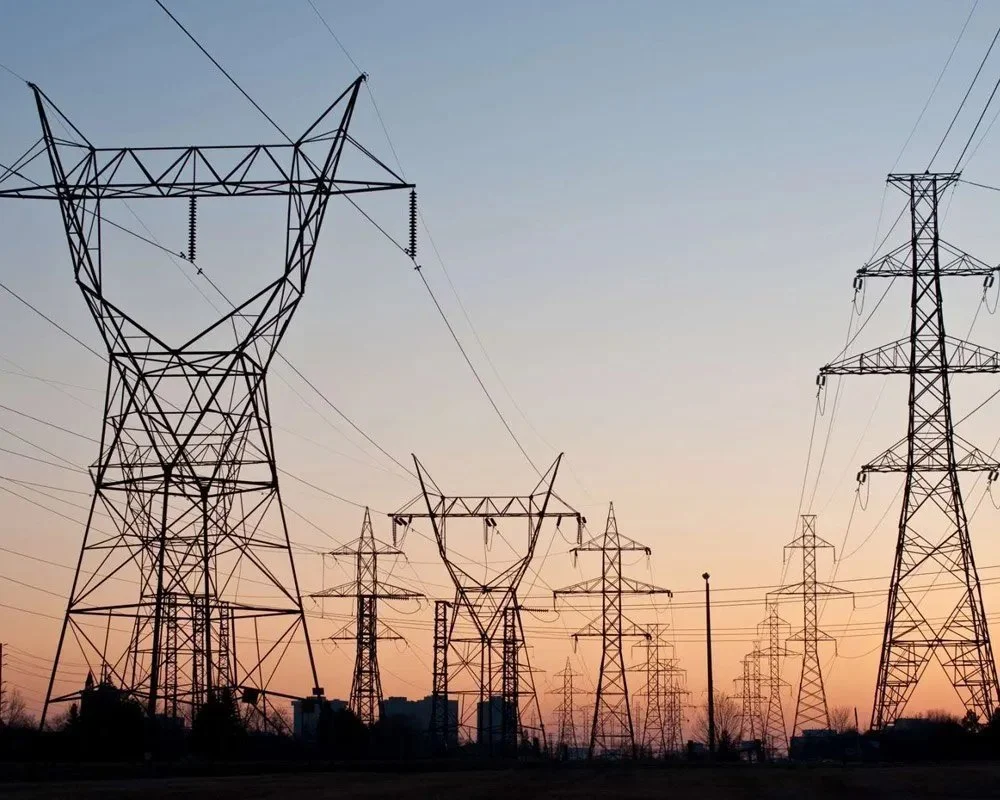
Transmission line projects focus on the bulk movement of electrical energy from generating power plants to electrical substations. This work involves the end-to-end execution of surveying terrain, designing robust tower structures (lattice or monopoles), and the stringing of high-voltage conductors. Engineering teams must account for environmental factors like wind loading, sag tension, and right-of-way (ROW) legalities. Modern transmission projects often integrate smart monitoring sensors and advanced materials like Carbon Fiber Core conductors to increase efficiency and minimize transmission losses over long distances.
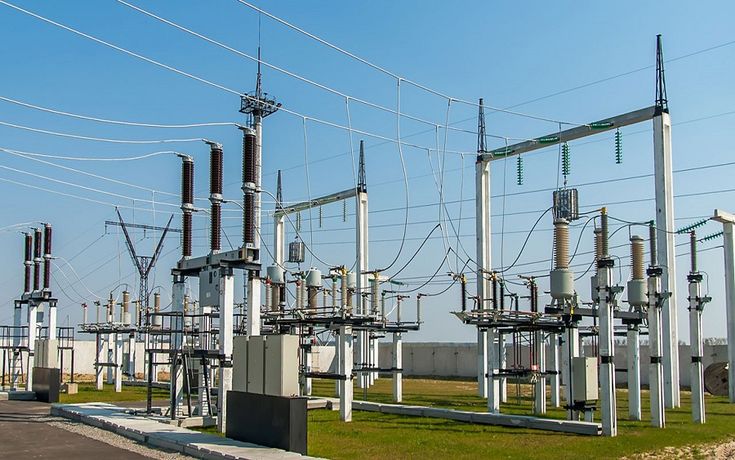
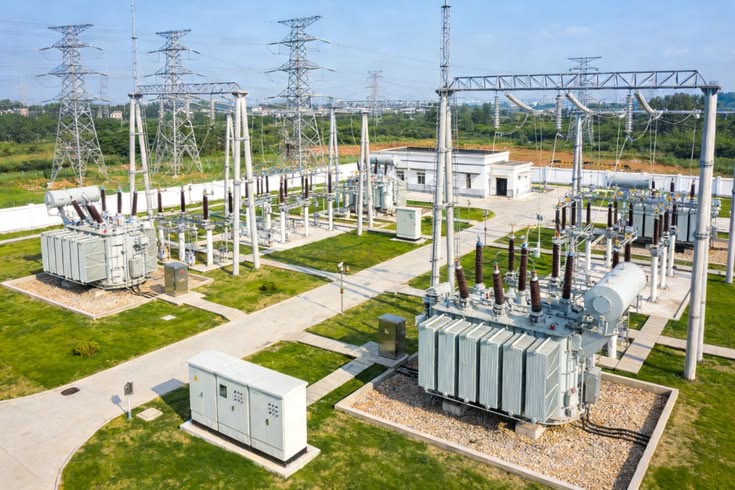
Substations act as the critical nodes within a power grid, responsible for transforming voltage levels between high and low while providing essential protection and control. Project work in this area involves the installation of massive power transformers, circuit breakers, and busbars, alongside the construction of control rooms housing SCADA systems. Whether it is an Air Insulated Substation (AIS) or a compact Gas Insulated Substation (GIS), the focus is on grid stability, fault isolation, and ensuring that the voltage is stepped down safely for distribution to the end-user or industrial site.
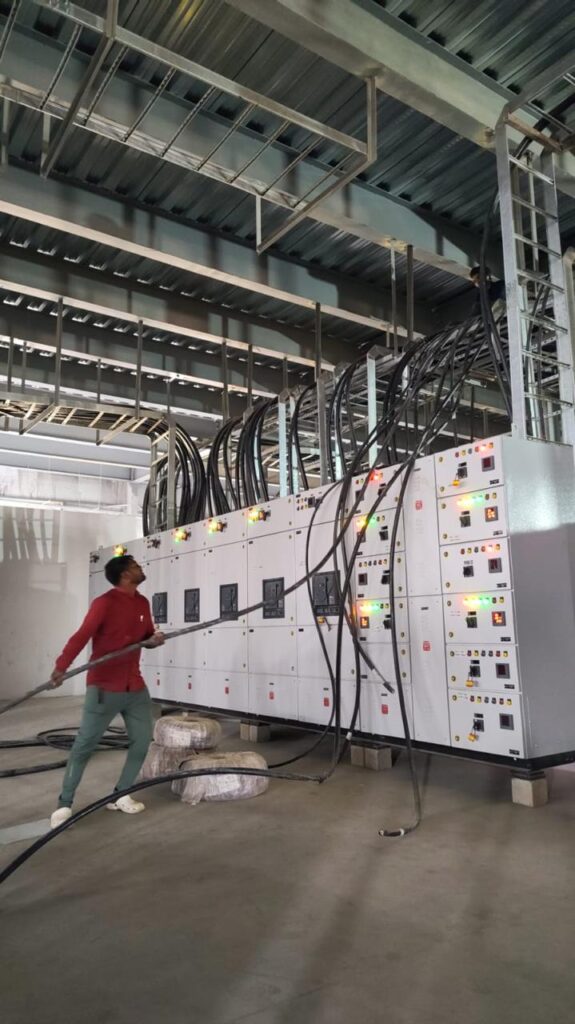
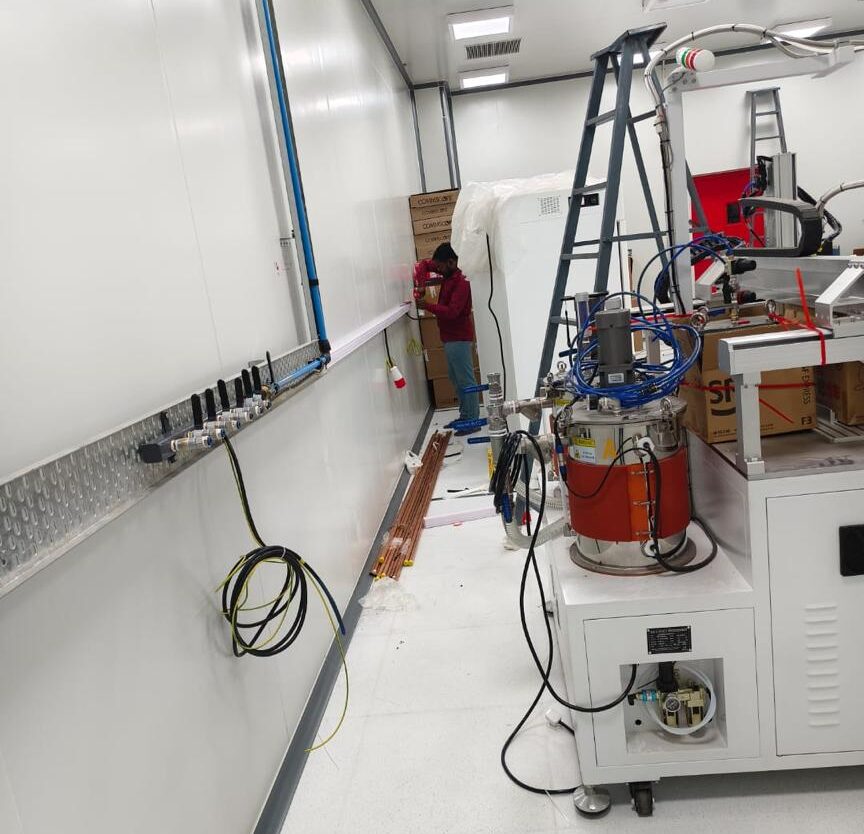
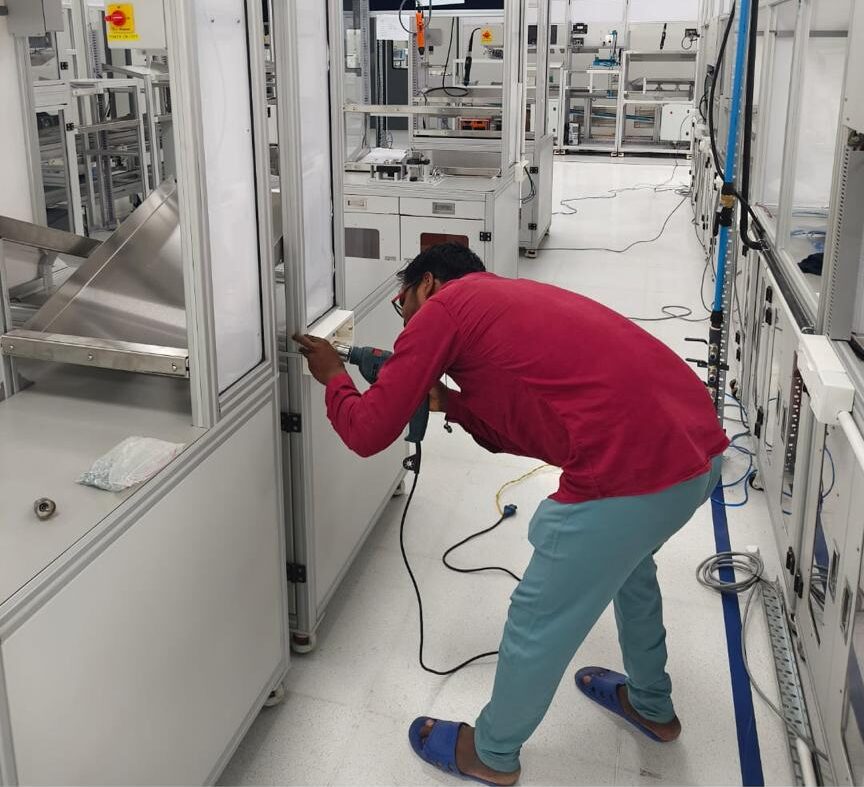
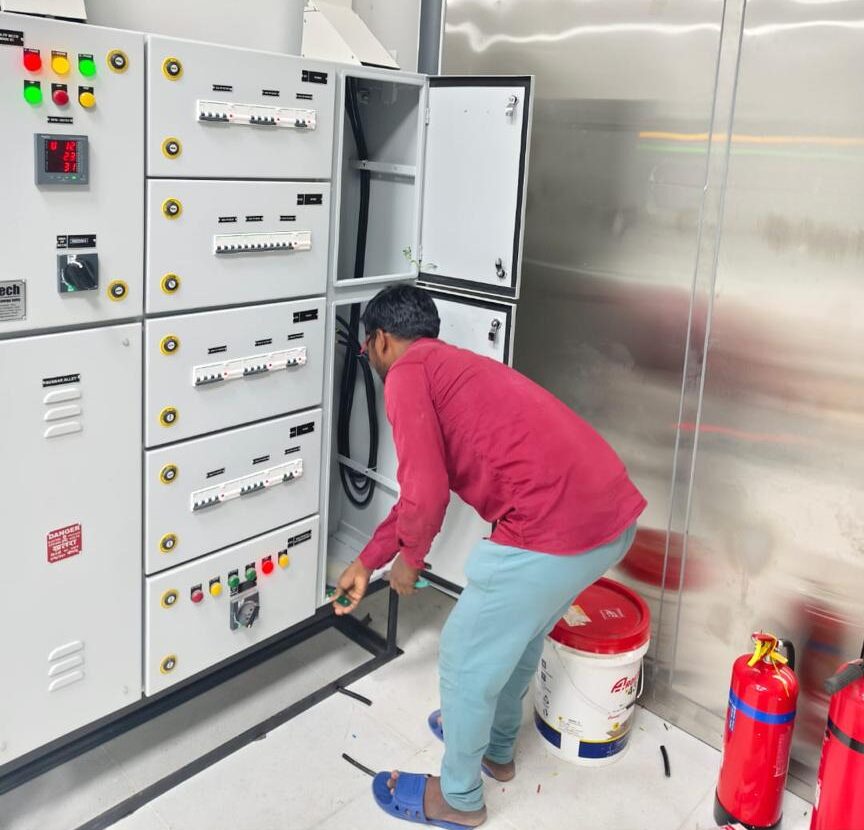
Industrial electrification involves the design and installation of the entire electrical internal architecture for large-scale facilities like factories, refineries, or data centers. This scope of work includes the setup of Main LT Panels, Motor Control Centers (MCC), and the complex cabling required to power heavy machinery and automated production lines. A significant part of modern industrial electrification is the integration of power quality equipment—such as APFC panels and harmonic filters—to ensure that the facility operates with high energy efficiency and complies with utility regulations regarding power factor.